Skip to content


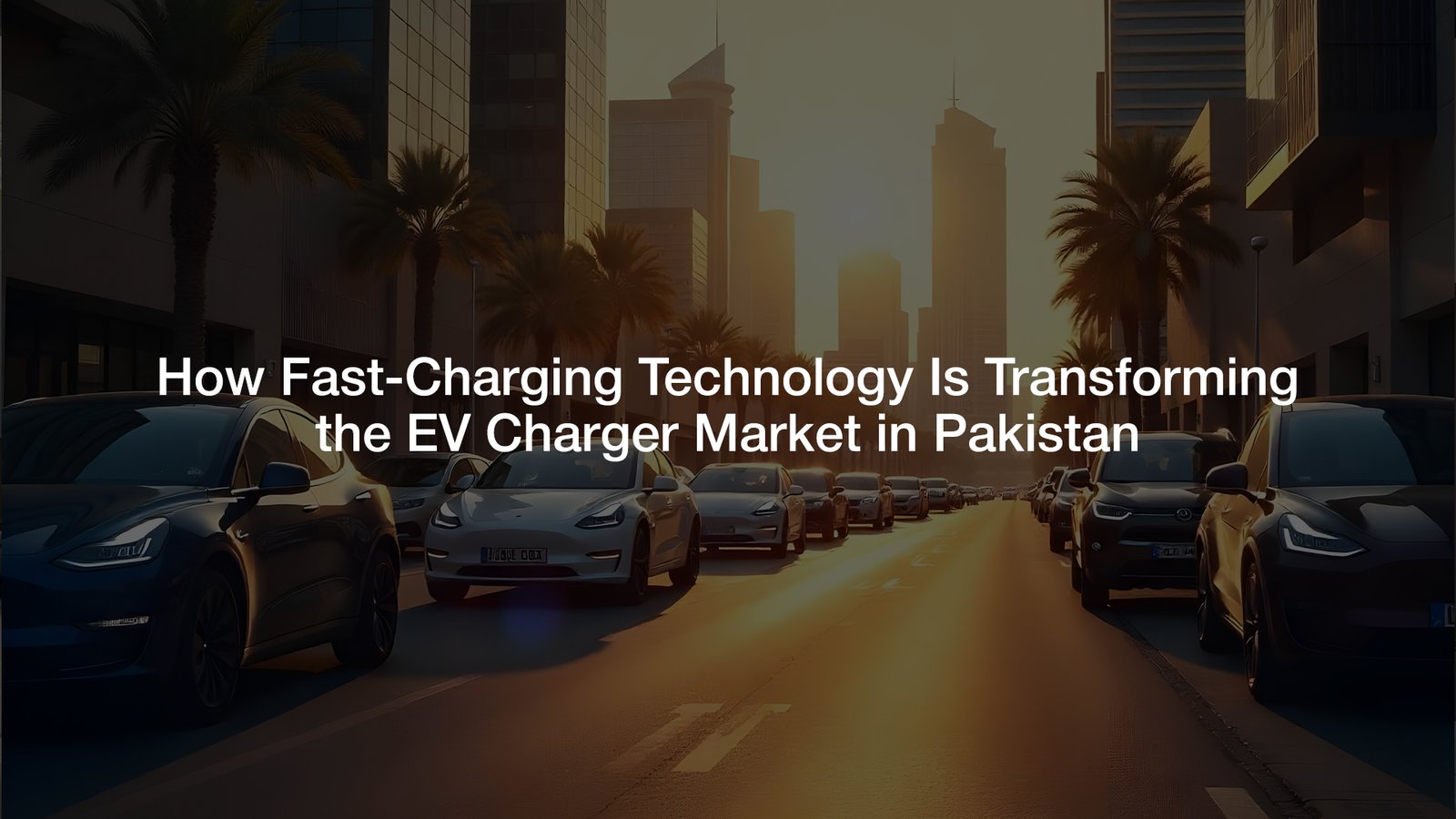
The EV Charger Market in Pakistan is undergoing rapid transformation as fast-charging technology becomes more accessible and widely adopted across homes, commercial hubs, and public charging corridors.
Although Pakistan’s EV sector is still in an early development phase compared to regions like the UAE, the demand for electric vehicle chargers is increasing sharply due to rising EV imports, government incentives, and growing environmental awareness.
As more drivers transition to electric mobility, the shift from slow AC EV Charger systems to advanced DC EV Charger solutions is reshaping how Pakistan thinks about EV charging infrastructure and energy efficiency.
The Rise of Electric Mobility in Pakistan
Pakistan’s electric mobility landscape is expanding rapidly, driven by rising fuel prices, environmental concerns, and the introduction of EV brands such as MG, Audi, BYD, and JAC. Government policies, reduced duties, and stronger sustainability goals are further encouraging nationwide EV adoption.
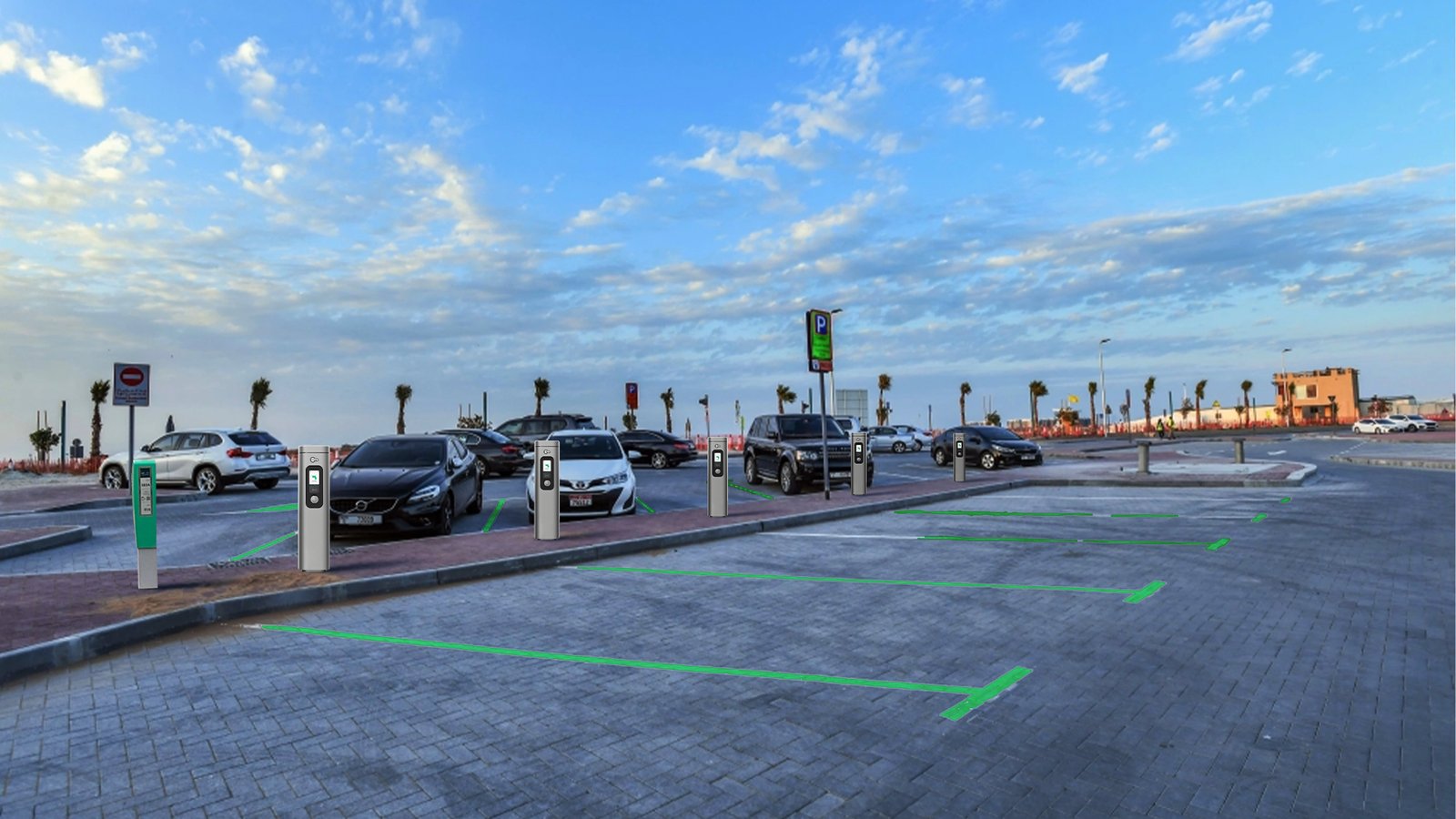
However, the country still faces challenges, including limited public charging infrastructure, which increases reliance on home chargers, commercial hubs, and portable charging options.
As battery capacities grow, users are shifting from traditional AC charging to Fast EV Chargers and DC technologies.
Meanwhile, corporate sectors – shopping malls, offices, and industrial zones – are accelerating investment in electric vehicle chargers to support emerging demand.
How Fast-Charging Technology Is Redefining EV Charging Expectations
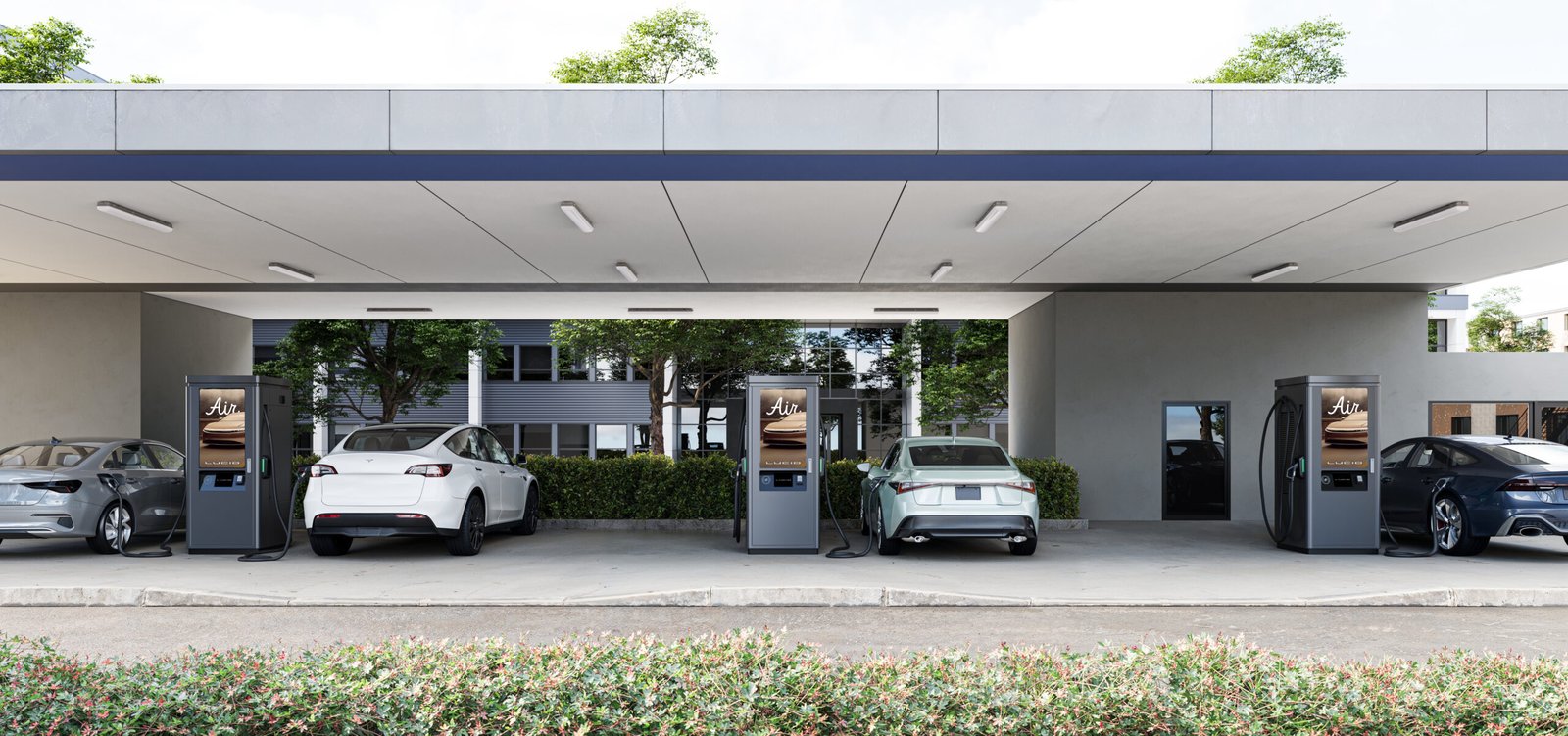
Fast-charging technology is significantly influencing how drivers view charging convenience, vehicle performance, and daily usability.
1. Dramatic Reduction in Charging Time
A major advantage of DC fast chargers is their ability to charge an EV from 20% to 80% in under 30–40 minutes, depending on the vehicle battery size.
Compared to home AC chargers that may take several hours, fast chargers reduce wait times by up to 70–80%. This change is redefining how users plan journeys and manage daily routines.
2. Convenience for Long-Distance and Inter-City Travel
Pakistan’s inter-city routes—such as Lahore to Islamabad or Karachi to Hyderabad—require reliable high-speed charging support.
Fast EV Chargers make long trips more feasible by enabling drivers to top up quickly at designated stations, reducing range anxiety and allowing for smoother travel experiences.
3. Supporting High-Battery-Capacity EVs
Modern EVs come with larger battery packs (60–100 kWh). Charging these using basic AC chargers takes considerably longer.
DC EV Charger systems deliver higher power levels, ensuring the charging infrastructure remains compatible with future, higher-capacity EV models entering the Pakistani market.
4. Enhancing Commercial and Fleet Efficiency
Commercial fleets, ride-hailing EVs, delivery vehicles, and corporate mobility programs benefit greatly from fast charging.
Reduced downtime means greater operational efficiency, improved turnaround times, and lower dependency on multiple backup vehicles.
5. Accelerating Public Charging Network Expansion
Fast-charging stations act as anchor infrastructure points across highways, parking facilities, and commercial districts.
Their presence encourages more EV adoption and builds confidence among potential buyers.
AC Chargers vs Fast DC Chargers: Understanding the Differences
Before investing in EV charging solutions, users must understand how AC and DC chargers differ.
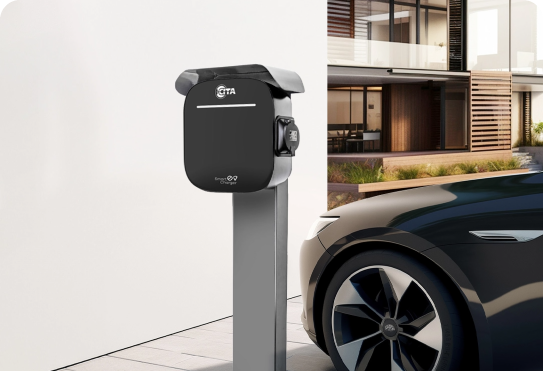
AC EV Chargers – Ideal for Home & Workplace Charging
1. Slower Charging Speeds
AC chargers typically offer 7 kW to 22 kW. While perfectly suitable for overnight home use, they cannot compete with the speed offered by DC fast chargers.
2. Affordable and Easy to Install
They require simpler installation and lower electrical infrastructure upgrades, making them practical for homes and offices.
3. Safe and Energy-Efficient for Daily Use
AC chargers support battery health by charging steadily, which is ideal for regular use without overheating risks.
4. Compatible With All Major EVs
Almost every EV on the market supports AC charging, ensuring universal convenience.
5. Paired With Smart EV Charger Technology
Many AC chargers today come with app control, load management capabilities, and energy monitoring features.
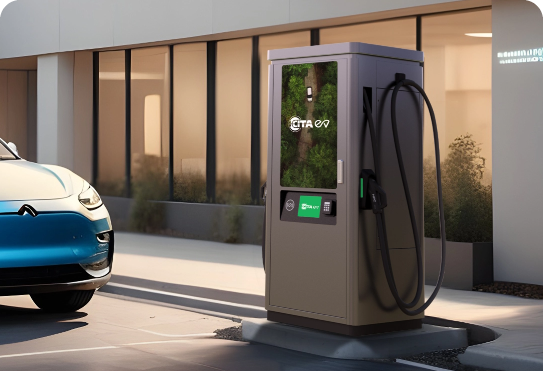
DC EV Chargers – The Future of Fast Charging in Pakistan
1. Ultra-Rapid Power Delivery
DC chargers operate between 60 kW and 350 kW, supplying direct current straight to the EV battery, drastically reducing charging time.
2. Complex Installation Requirements
They require dedicated transformers, strong grid connections, cooling systems, and professional installation.
3. Ideal for Commercial and Public Use
They are the preferred choice for service stations, malls, corporate fleets, and highway corridors.
4. Higher Cost but Greater Value
Despite higher upfront investment, fast chargers save time, support more users, and increase station utilization rates.
5. Essential for Pakistan’s Evolving EV Ecosystem
As Pakistan progresses, DC fast chargers will be a backbone for long-distance EV travel and public infrastructure.
Smart Charging: The Technology Driving EV Market Growth
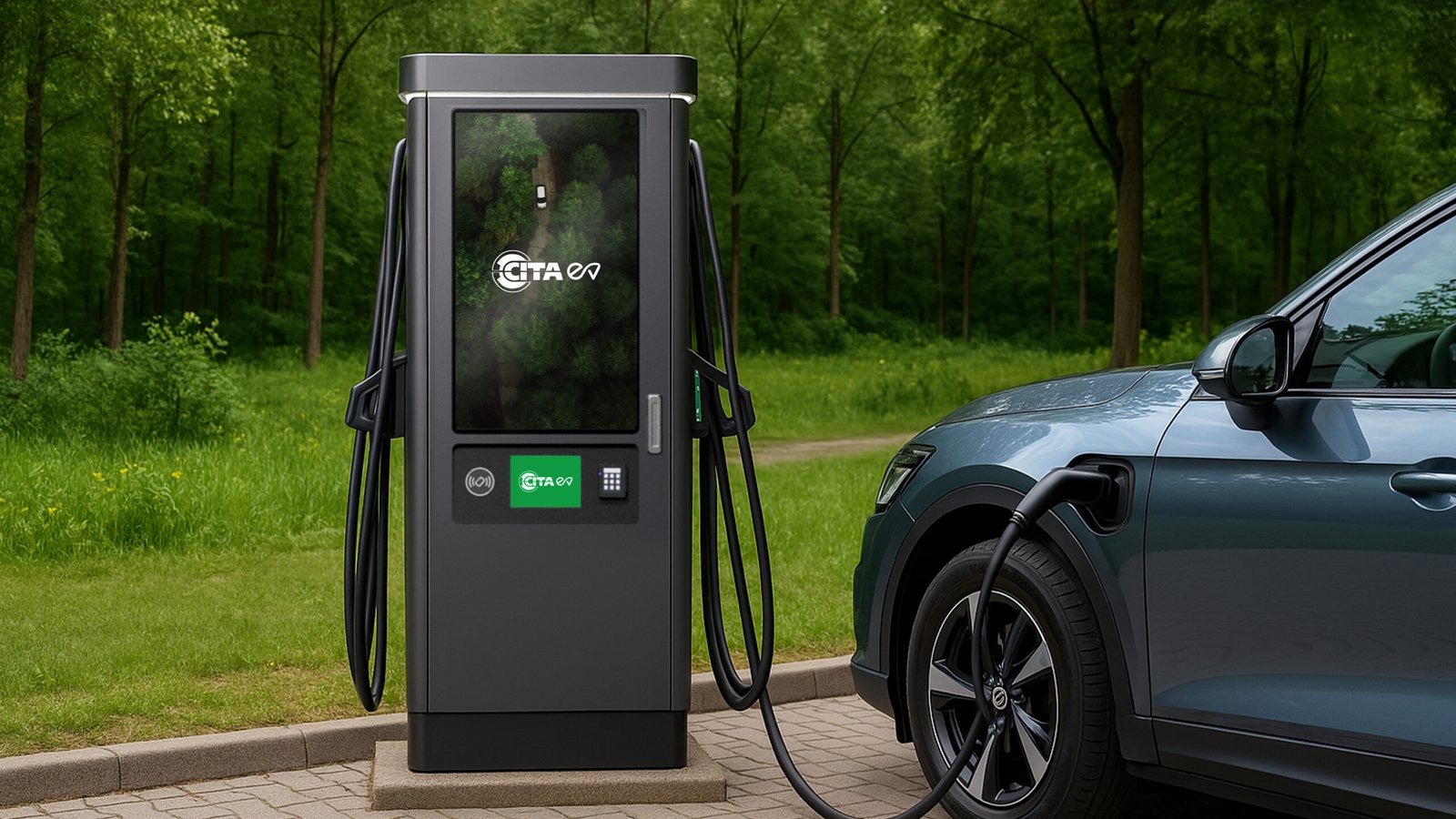
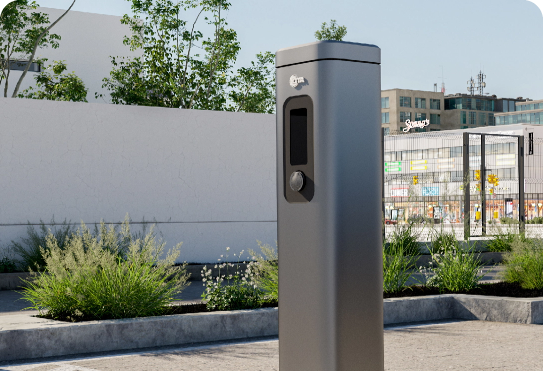
Smart EV chargers play a critical role in building an efficient national charging ecosystem.
1. Remote Monitoring and App Integration
Users can track charging sessions, consumption costs, and battery health. This increases transparency and convenience. Many smart systems also allow users to lock or unlock charging access remotely, improving security.
Real-time notifications help users identify faults instantly and optimize charging behavior based on energy usage patterns.
2. Load Balancing for Grid Stability
Smart chargers distribute load intelligently across multiple charging points, preventing grid overloads and ensuring efficient operation.
This is especially beneficial in apartment buildings and commercial parking areas where several EVs may charge simultaneously. Load balancing also reduces the risk of voltage drops and ensures fair power distribution among all connected vehicles.
3. Energy Optimization & Scheduled Charging
Users can schedule charging during off-peak hours, reducing stress on the grid and minimizing electricity costs. Smart scheduling helps extend battery life by avoiding high-temperature daytime charging.
Additionally, automated charging cycles allow drivers to optimize charging based on renewable energy availability where applicable.
4. Firmware Updates for Future Compatibility
Smart chargers evolve with software improvements, ensuring long-term usability and compatibility with newer EVs. Regular firmware updates introduce new features, enhance security protections, and improve communication with electric vehicles.
This future-proofing ensures that chargers remain effective even as EV battery technologies and standards evolve.
5. Enhanced Safety Features
Certified EV Charger designs include built-in protections such as surge control, temperature sensors, and fault detection. These features significantly reduce fire risks, overheating incidents, and electrical hazards.
Smart chargers can automatically pause charging if abnormalities occur and resume only when conditions stabilize, ensuring a safe and reliable charging experience.
Why Fast-Charging Technology Is the Future of EV Charging in Pakistan
As Pakistan’s EV ecosystem matures, the need for quicker, more reliable charging solutions becomes increasingly important.
Fast-charging technology not only addresses user expectations but also supports national goals, commercial growth, and long-term infrastructure development.
The following points highlight why fast charging will play a defining role in shaping the country’s EV future:
- Reduced Charging Time Builds User Confidence
Faster charging encourages more drivers to shift to EVs by eliminating long wait times and making daily commuting easier and stress-free. - Aligns With National Sustainability Targets
By enabling more EV usage, fast chargers help cut reliance on fossil fuels and support Pakistan’s emission reduction efforts. - Encourages Commercial and Private Sector Investment
Businesses, malls, fuel stations, and corporate fleets see fast charging as an opportunity to enhance customer experience and operational efficiency. - Enables Highway and Inter-City Electrification
With fast chargers placed along major routes, EV travel between major cities becomes practical, reliable, and future-ready. - Strengthens the EV Charger Market in Pakistan
Growing demand motivates manufacturers, installers, and grid developers to expand offerings, helping the overall EV charging network evolve.
Powering Pakistan’s EV Future With Advanced Charging Technologies
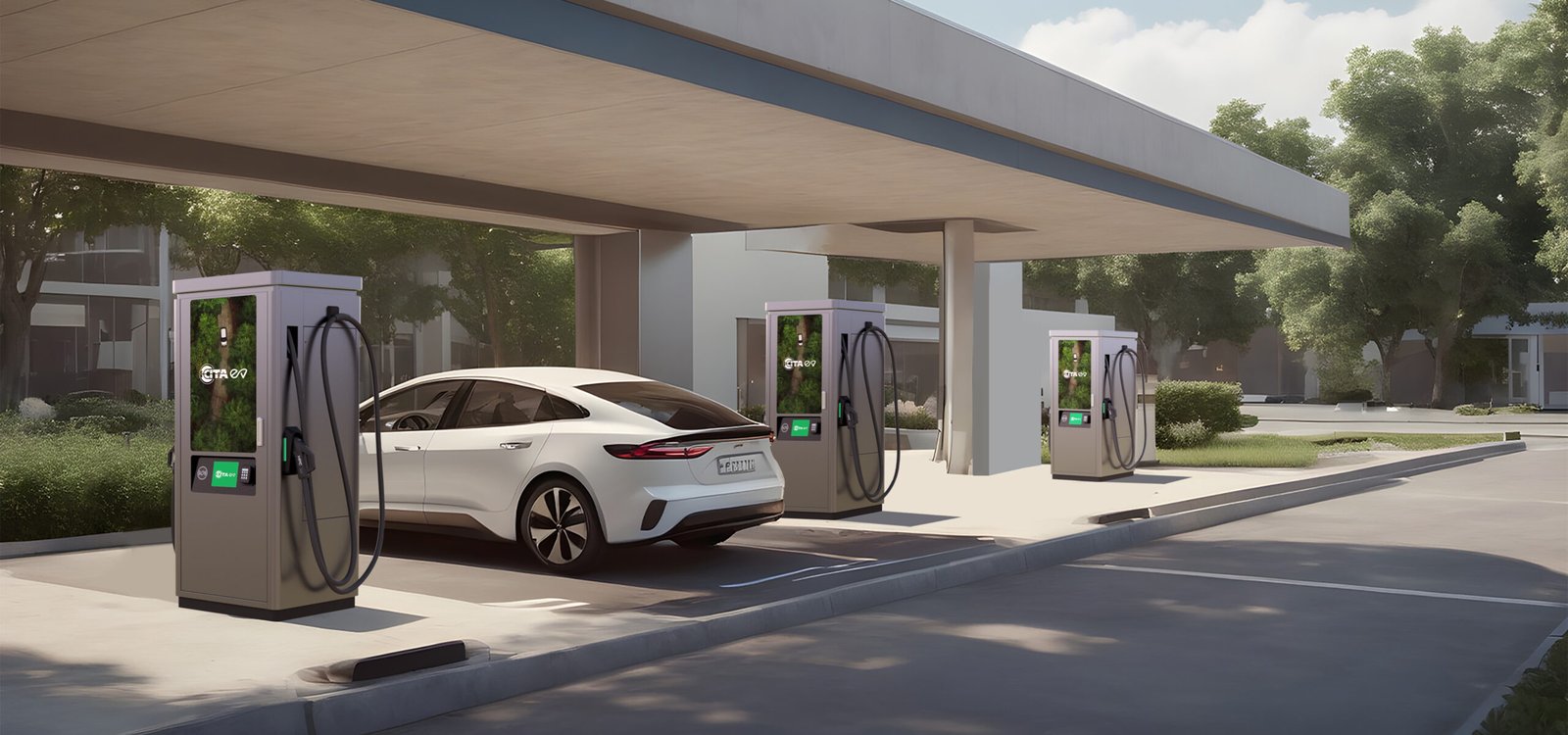
Fast-charging technology is accelerating the EV Charger Market in Pakistan, improving convenience, supporting commercial growth, and encouraging national sustainability goals. As EV adoption increases and new models enter the market, the need for reliable AC and DC charging solutions will continue to rise. Choosing the right equipment—whether a smart EV charger, a Certified EV Charger, or a fast DC charger—ensures long-term safety, performance, and compatibility.
CITA EV Charger is committed to supporting Pakistan’s transition by offering modern AC and DC charging solutions, backed by smart technology, strong safety ratings, and global expertise. With durable chargers designed for efficiency and long-term performance, CITA empowers both home users and commercial sectors with dependable EV charging solutions.
Ready to upgrade your charging experience?
Contact CITA EV Charger for expert recommendations
Explore advanced AC and DC fast-charging solutions for homes and commercial sites