Skip to content


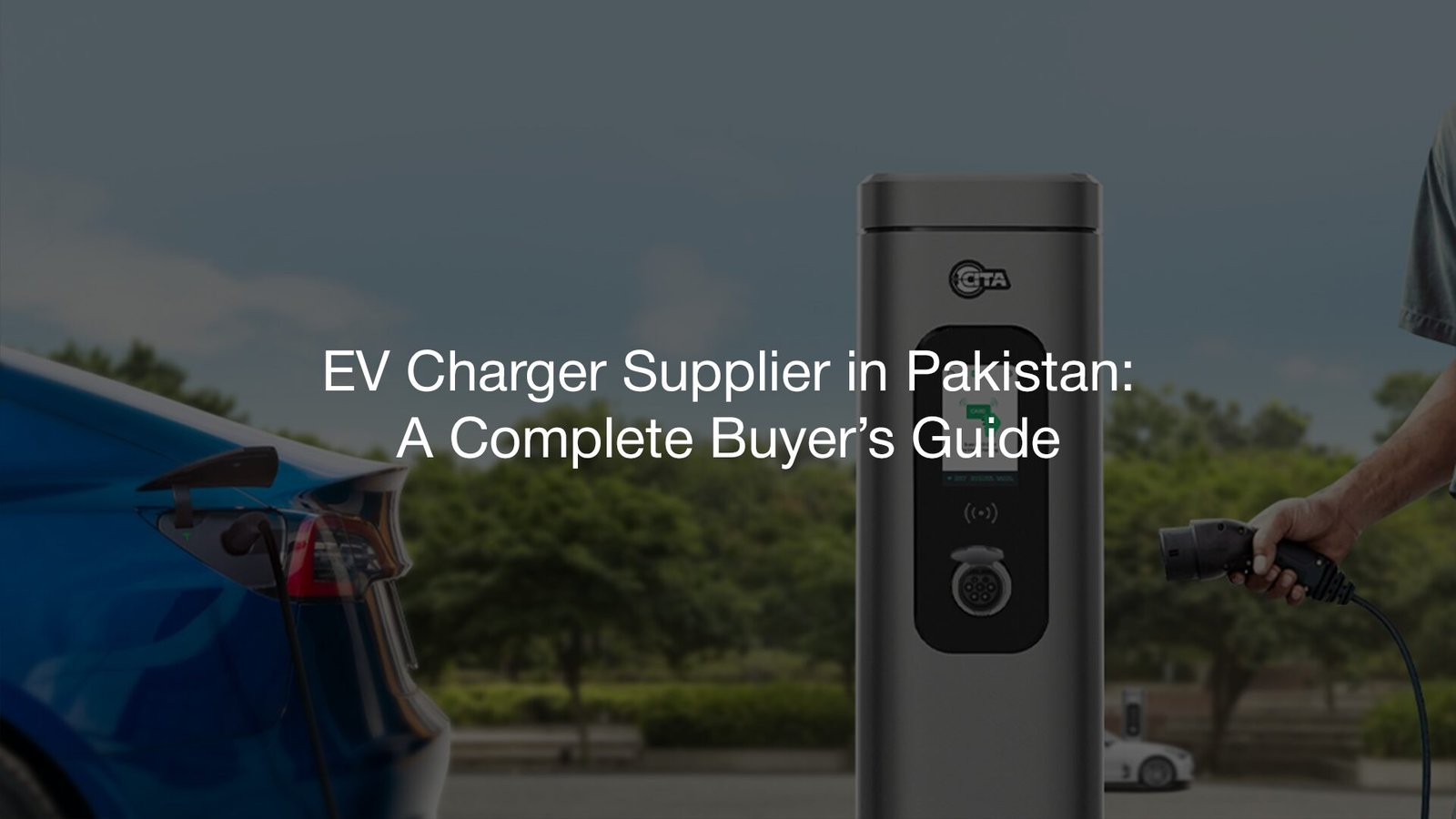
EV Charger Supplier in Pakistan is a critical link in the country’s emerging electric vehicle (EV) ecosystem as Pakistan gears up for large-scale electrification.
With the government planning to cut tariffs for charging station operators by 45% to boost uptake, the market for electric car charger infrastructure and ev charging solutions is gaining momentum.
For businesses and homeowners alike, knowing how to choose the right ev charger manufacturer, ev charger company or ev charger provider is key to gaining the full benefits of electric vehicle chargers and home ev charger or commercial ev charger investments.
Understanding the Market and Why a Supplier Matters
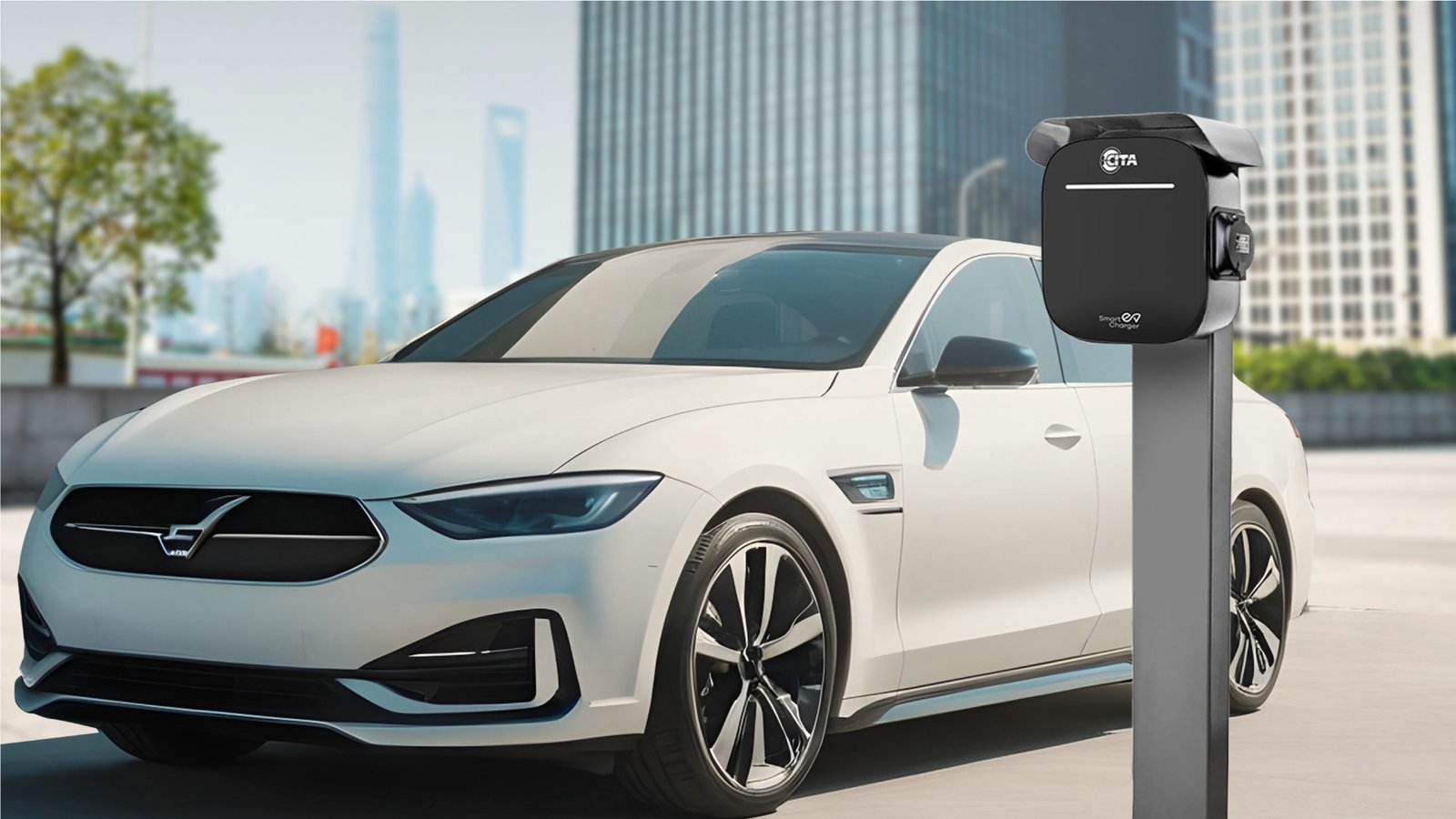
Before reviewing technical specs, it’s helpful to understand the broader context of EV charging in Pakistan and why selecting the right ev charger supplier is vital.
In Pakistan the market for electric vehicle chargers and ev charging infrastructure is still nascent: fewer than 100 public charging stations were operational as of 2025, mostly AC and slow-charging units.
This means demand is growing, but so is the need for reliable suppliers of ev chargers who can deliver both hardware and support. When seeking a trusted ev charging company or ev charging solutions provider, you should prioritize credibility, quality and long-term service rather than just the cheapest upfront cost.
Key Criteria When Choosing an EV Charger Supplier in Pakistan
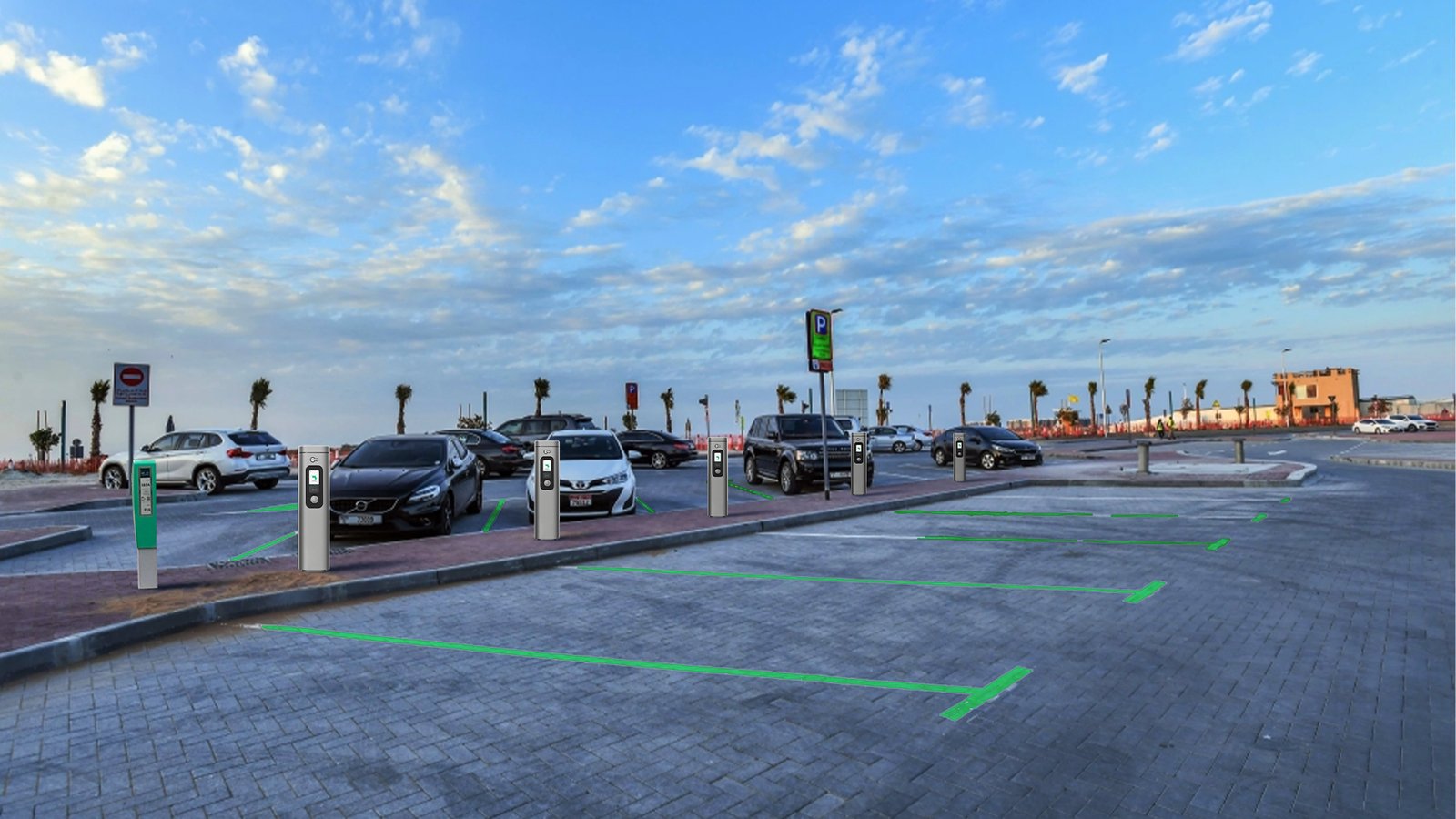
Here’s a structured overview of what to look for when choosing an ev charger supplier, ev charger manufacturer or ev charger company – whether for home ev charger units or larger commercial ev chargers.
1) Reputation, Certifications and Track Record
A reliable EV charger supplier in Pakistan should have a proven track record and offer certified equipment that meets local and international standards.
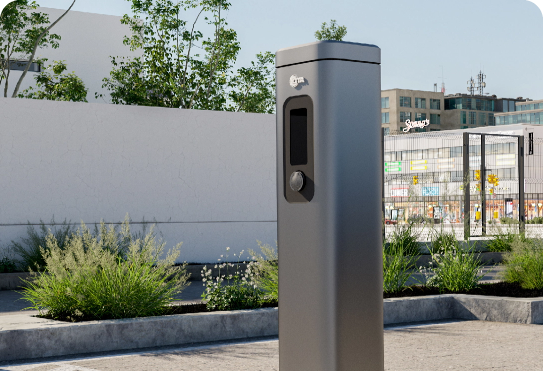
For example, a supplier might offer AC ev charger or dc ev charger units that are IP or IK rated and tested by authorities. Certification ensures safety, compliance and peace of mind.
With the rapid growth of the market, partnering with a vendor who has supported previous residential ev chargers or commercial installations is a strong signal of reliability.
2) Range of Products: AC, DC, Fast and Ultra-Fast
The type of charger you need depends on use case. For residential use a Home EV Charger may suffice; for fleets or commercial sites you may require Fast EV Chargers or Ultra Fast EV Chargers.
A top ev charger supplier in Pakistan should offer AC ev charger options (typically up to ~22 kW) and DC ev charger options including rapid chargers (for example 60-360 kW) to suit both home and commercial needs.
This flexibility means you can scale or diversify as your EV ecosystem grows.
3) Local Support, Installation and Maintenance Services
Even the best charger is only as good as its installation and support. A good ev charger provider will handle not just supply, but installation, commissioning, after-sales service, warranty and software updates.
For both home ev charger owners and commercial ev charging operators, access to timely support can be a differentiator.
When evaluating suppliers, ask about what service network and maintenance offerings they provide.
Home vs Commercial – Differing Needs and Supplier Roles
The next step is to understand the differing requirements of residential and commercial installations so you can match your choice of supplier and product to the correct application.
1) Residential EV Chargers for Home Use
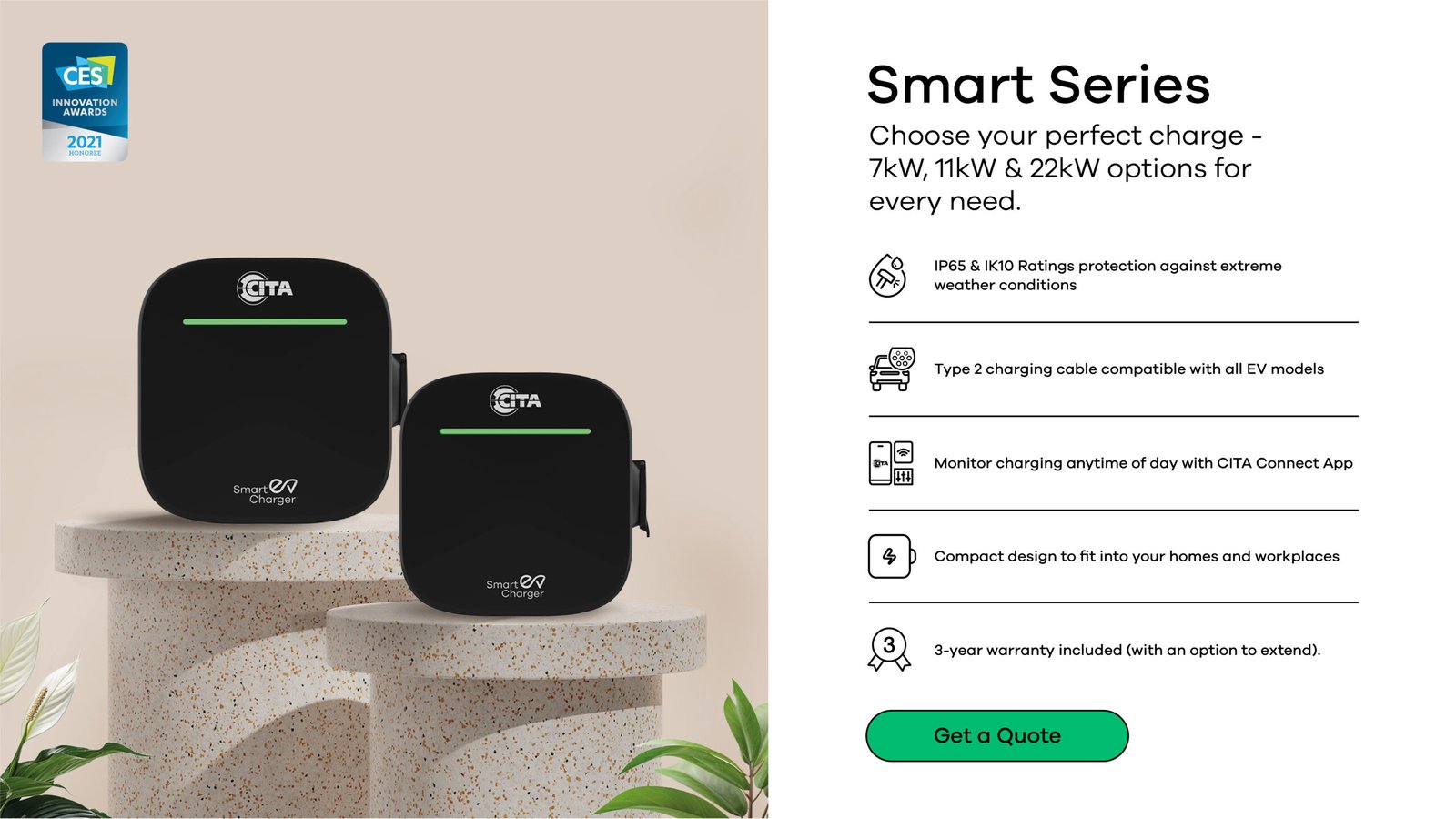
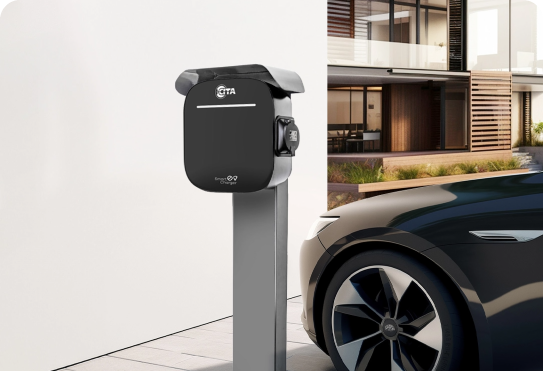
A home ev charger installation is typically simpler: you need a reliable charger unit, safe wiring, an appropriate location and compatibility with your vehicle.
For homeowners, selecting a supplier who specializes in home EV charger supply and installation ensures that you get a solution tailored to your garage or parking spot.
The charger may not need ultra-fast DC capability; instead it emphasizes convenience, safety and integration. Make sure your selected supplier offers a smart ev charger with user-friendly features and local service.
2) Commercial EV Chargers for Business Use
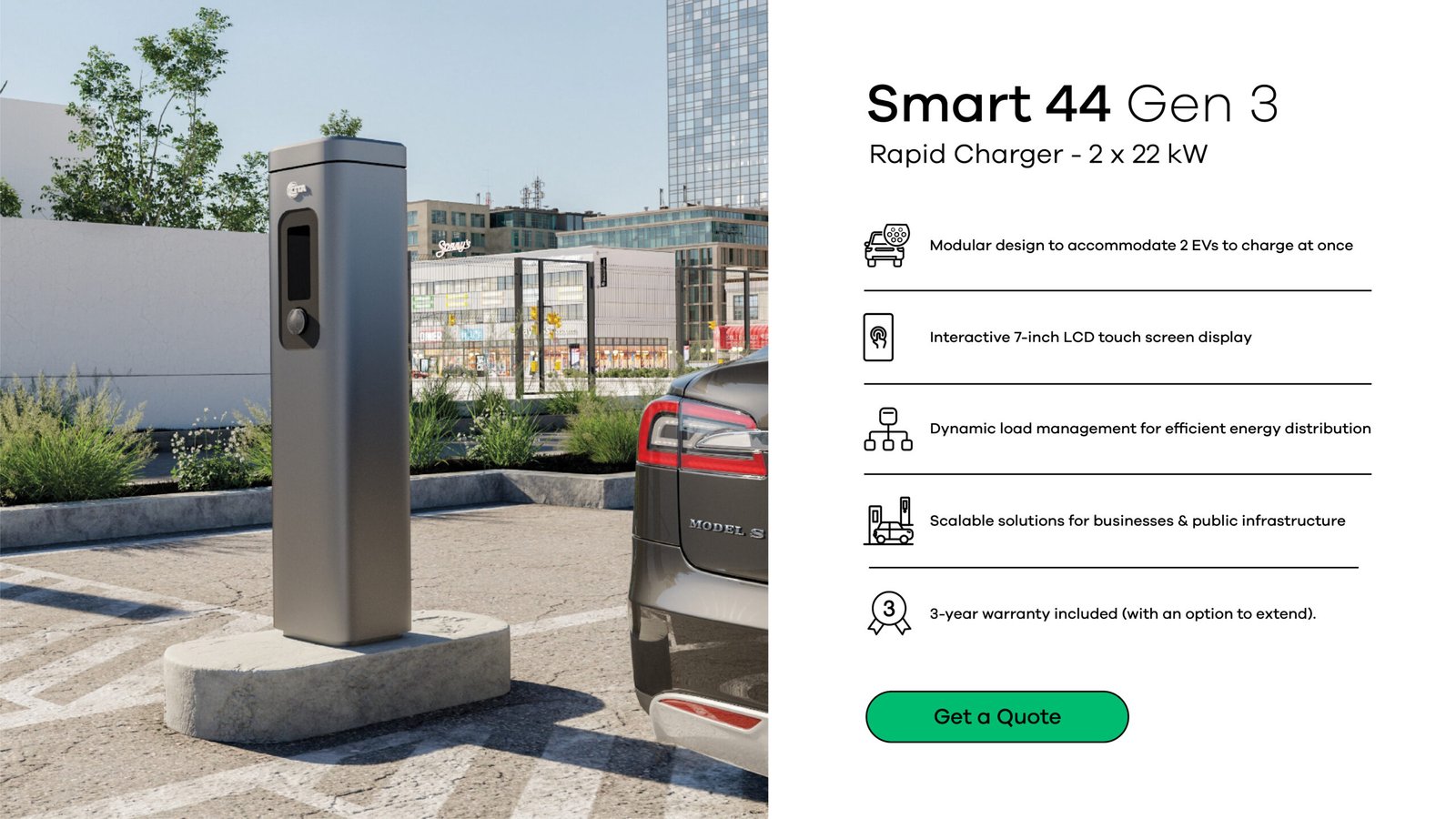
Commercial ev charger installations require more planning: higher power ratings, multiple charging points, potential unattended operation, and rigorous safety and billing systems.
Suppliers supplying commercial EV charging stations should be capable of delivering robust hardware (Fast EV Chargers, or even Ultra Fast EV Chargers), skilled installation, network connectivity and compliance with local grid requirements.
Choosing a supplier experienced in commercial deployments will help manage complexity and risk.
3) Scalability and Future-Proofing Your Infrastructure
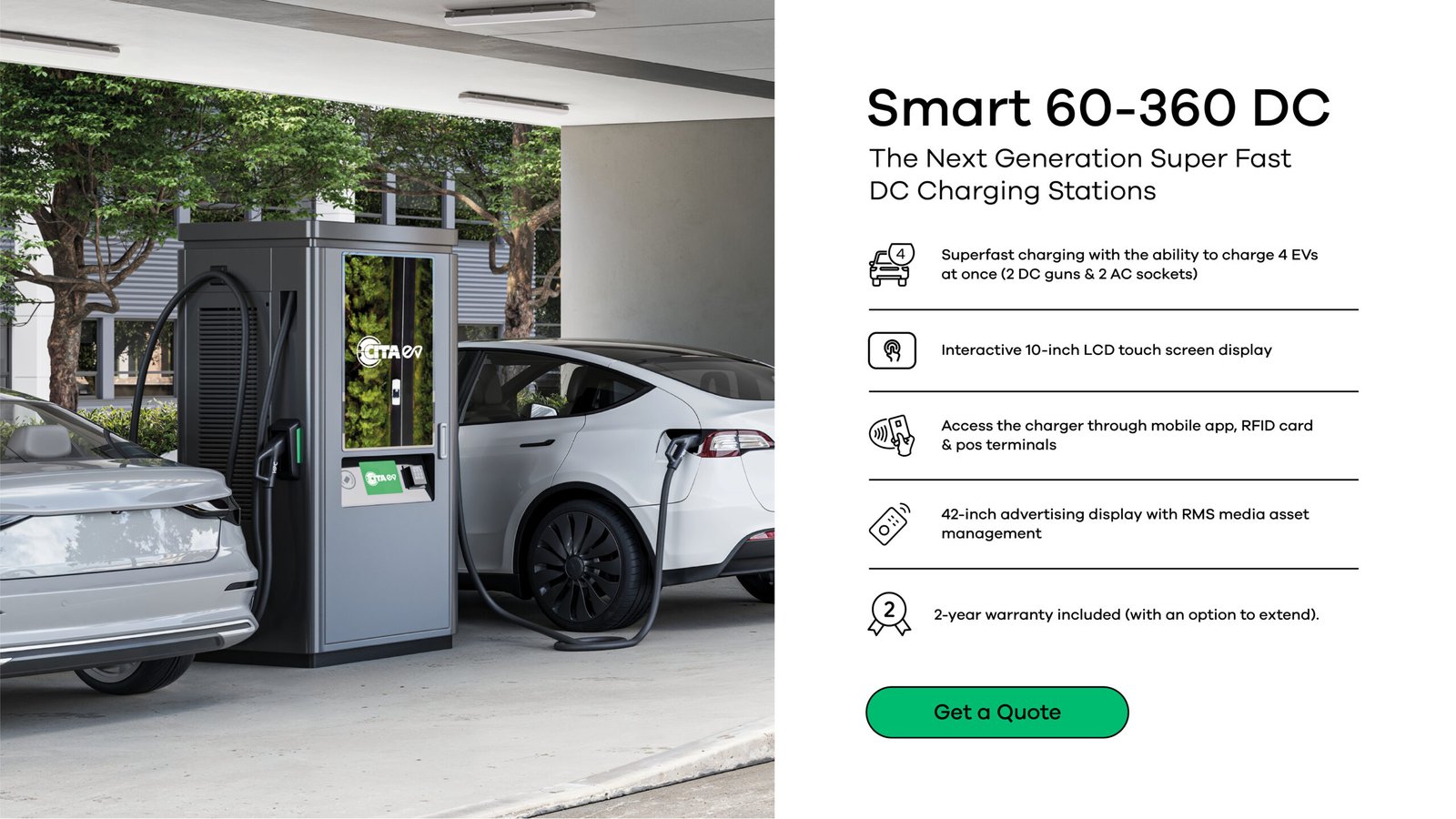
Whether for home or commercial use, one key differentiator among ev charger suppliers is their ability to support future growth.
For residential, that might mean adding a second charger or upgrading to networked smart features; for commercial, that could mean expanding to fleet charging or ultra-fast units.
A supplier who offers both AC ev charger and DC ev charger options (and knows how to integrate smart software and backend systems) will give you more flexibility over time. Investing in scalable solutions now reduces disruption later.
Practical Steps in the Procurement Process
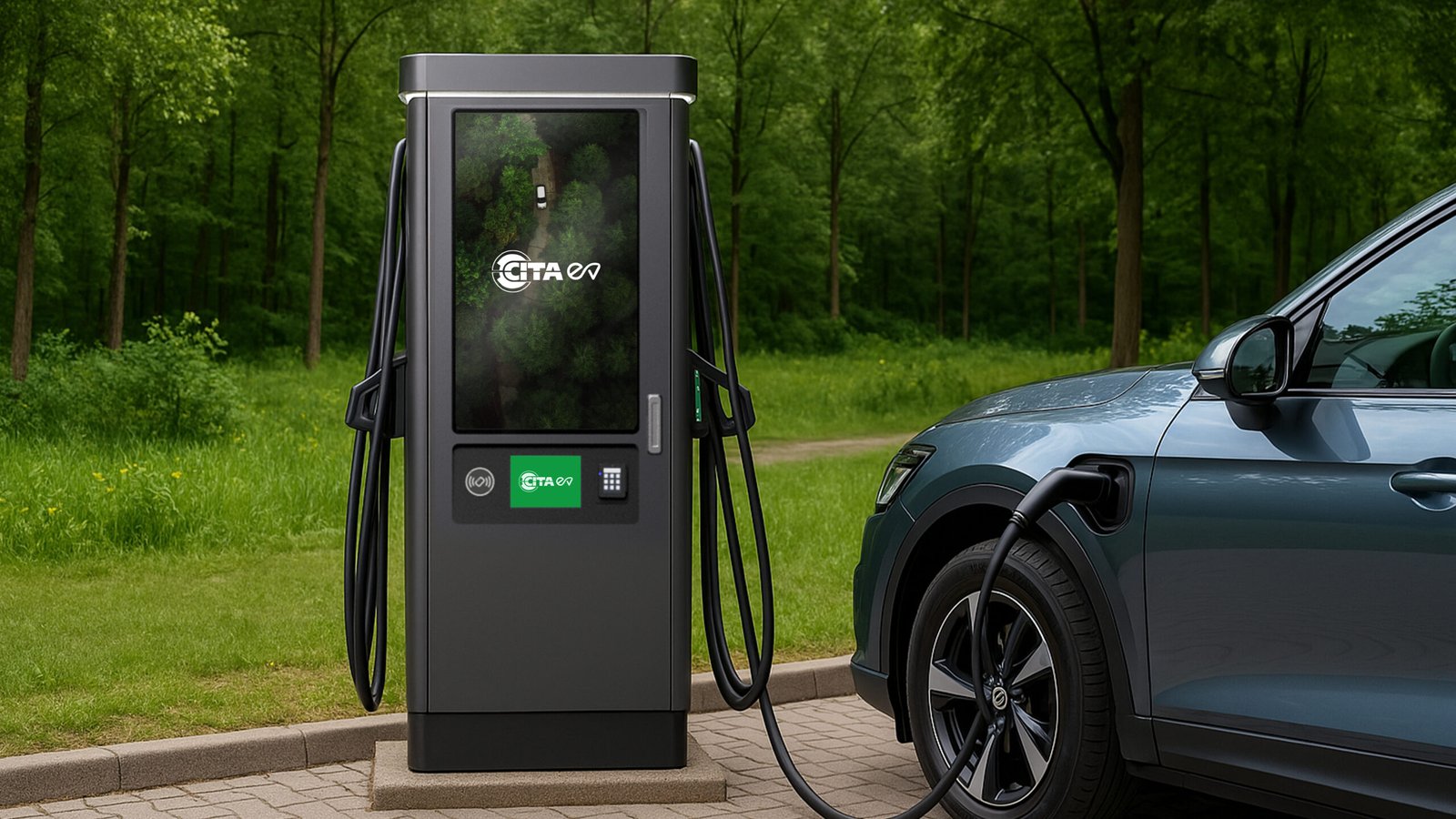
Having understood what to look for and your application, here is a practical step-by-step guide you can follow as you engage with potential suppliers of ev charging solutions and EV chargers in Pakistan.
1) Define Your Requirements and Budget
Start by clarifying your needs: How many vehicles? What charging speed is required? Where will the units be installed (home/residential vs commercial)? What budget do you have?
For example, if you only need a home ev charger, you might only need AC level charging; if you expect fleet use you might consider Fast or Ultra Fast EV Chargers.
Clearly defining your scope helps in evaluating suppliers and comparing quotes.
2) Shortlist Suppliers and Request Detailed Proposals
Once you have requirements, identify potential ev charger suppliers and ask for detailed proposals: hardware specifications (AC vs DC, power rating, IP/IK ratings), installation scope, warranty, after-sales service, pricing, and software features (monitoring, smart controls).
Evaluate each based on both cost and value. Also check whether the supplier is a recognized ev charger manufacturer or a local reseller.
3) Review Contracts, Warranties, and Service Level Agreements
When you receive proposals, closely review the contract terms. Make sure warranties are clearly defined, the installation scope is detailed, and maintenance obligations and service response times are specified.
For commercial installations especially, you’ll want a strong service level agreement.
Don’t just focus on upfront cost: consider lifetime costs, reliability and supplier credibility.
4) Installation, Commissioning and Training
Once you’ve selected a supplier, ensure they handle full lifecycle: delivery of hardware, professional installation, grid/utility coordination (if needed), commissioning and user training.
For commercial spaces you may also need billing systems and remote management. Following installation, the supplier should provide documentation, testing results and user manuals.
Common Pitfalls and How to Avoid Them
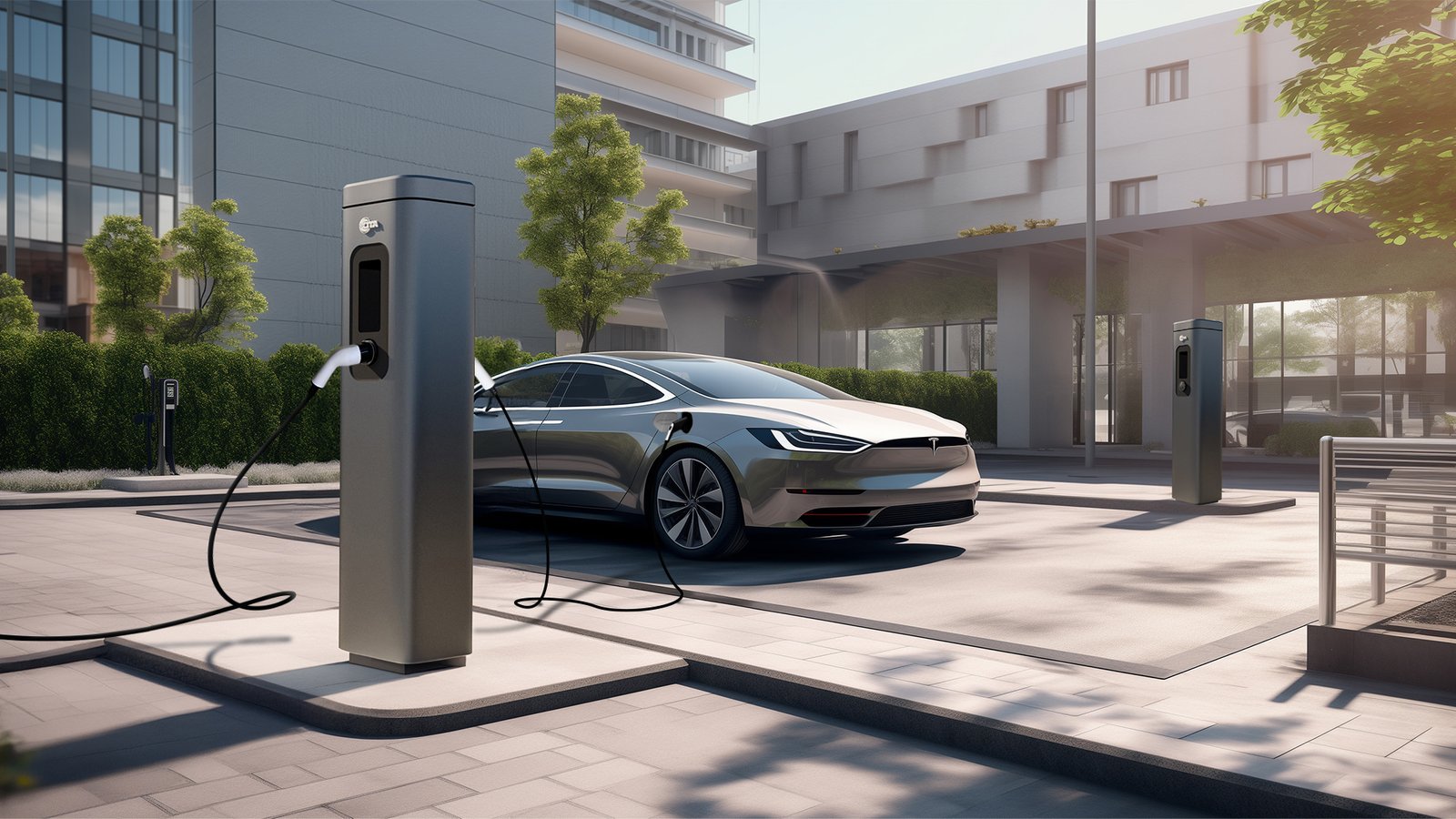
Even with a great supplier, projects can stall or lose value if you don’t watch for common issues.
Here are some pitfalls and how to mitigate them in your selection and procurement
1) Choosing Cheap, Uncertified Hardware
One major mistake is opting for the lowest-cost ev charger without verifying certification, safety standards or durability. Uncertified units may fail early, lack support or violate local grid rules.
Prioritize suppliers who provide certified hardware from recognized ev charger manufacturers and who meet regional standards – even for home ev charger installs.
2) Underestimating Total Cost of Ownership (TCO)
Initial cost is only part of the equation. You’ll want to consider installation works, electrical upgrades, software subscriptions, maintenance, and downtime costs.
A supplier who offers transparent breakdowns and helps you calculate TCO provides better long-term value. And for commercial sites, this is especially crucial.
3) Ignoring Future Growth or Compatibility
Another frequent mistake is installing a system that doesn’t scale – say, a single home charger when you plan multiple EVs, or a charger that lacks networked control when you need fleet management.
A supplier who provides both AC and DC options, smart EV charger capabilities, and is aware of future trends in ev charging solutions will give you a system that fits now and tomorrow.
Ready to Partner with the Right EV Charger Supplier in Pakistan?

Choosing the right EV Charger Supplier in Pakistan is about partnering with a brand that understands your charging goals – whether it’s powering your home EV or building a future-ready commercial network. That’s where CITA EV Charger stands apart.
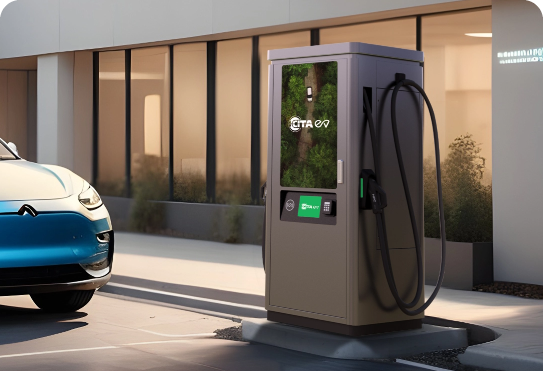
As a globally recognized EV charger manufacturer and supplier, CITA delivers smart EV chargers, from 7 kW to 22 kW AC EV Chargers for homes to 60 kW–360 kW DC Fast and Ultra-Fast EV Chargers for public and fleet use. Each charger is certified by DEWA and ADQCC, ensuring reliability, safety, and performance across all installations.
CITA’s chargers are built for Pakistan’s growing EV ecosystem – robust IP-rated designs, seamless software integration through the CITA EV App and Charge Point Management System (CPMS), and warranty-backed support (3 years for AC EV Chargers and 2 years for DC).
If you’re planning to invest in EV charging solutions, partner with CITA EV Charger – your trusted EV charger provider in Pakistan, combining global quality with local expertise.
Contact CITA EV Charger today to discuss your home EV charger or commercial EV charger installation and power your journey toward a smarter, cleaner future.